










How Singapore Companies Can Expand to Indonesia Step by Step
Overview
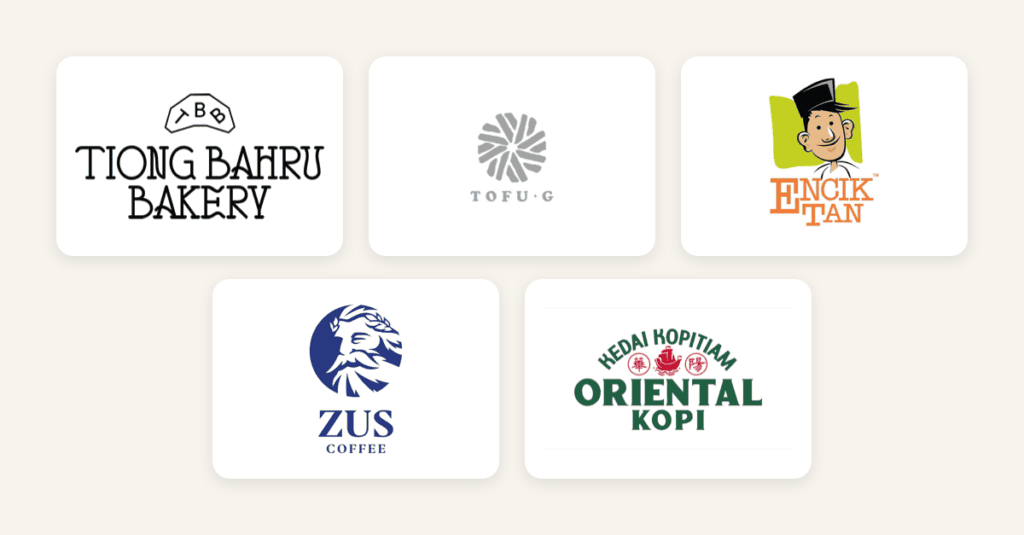
- Singapore and Malaysian brands such as Tiong Bahru Bakery, Encik Tan, ZUS Coffee and Oriental Kopi are now entering Jakarta, which shows how attractive Indonesia has become for regional companies.
- Most foreign companies that want to sell, hire and sign contracts in Indonesia use a PT PMA, a foreign-owned limited liability company.
- Current rules ask for paid-up capital of IDR 2.5 billion and an investment plan above IDR 10 billion for each five-digit KBLI code and project location, excluding land and buildings.
- New company registrations now use the KBLI 2025 business classification, so choosing the right code at the start protects your licence later.
- Foreign directors who live in Indonesia need the correct KITAS. The Investor KITAS commonly asks for IDR 10 billion in personal shareholding.
- After launch, the company handles accounting, Coretax tax filing (corporate income tax is 22%), payroll, BPJS enrolment and quarterly LKPM investment reports.
- One team for company incorporation, KITAS application, accounting, tax and HR keeps your launch on schedule and your parent company informed.
Walk through a Jakarta mall in 2026 and the pattern is hard to miss. Tiong Bahru Bakery has opened its first Indonesian outlet in Kelapa Gading. Encik Tan, the halal hawker brand from Singapore’s Fei Siong Group, now trades at Pondok Indah Mall 3. Malaysia’s ZUS Coffee has arrived, Oriental Kopi targets its first Jakarta outlet by the end of the year, and Tofu G, the viral Singapore tofu gelato brand, has reportedly put up hoardings at Pacific Place.
Each of these brands made the same decision. They decided that Indonesia deserves a place in their growth plans. If your Singapore company is thinking along the same lines, this guide explains how to expand to Indonesia in plain language, from choosing a legal structure to hiring your first team. We also point to the official government websites, so you can see every step for yourself.
Why Singapore Companies Choose Indonesia
Indonesia is the largest economy in Southeast Asia, with more than 280 million people and a growing middle class that spends on food, retail, education, healthcare and technology. The market is also close to home. Jakarta is roughly a two-hour flight from Singapore, and Batam is a short ferry ride away. The time difference is only one hour, so your Singapore team can work with Indonesian colleagues in nearly the same business day.
Policy has moved in the right direction as well. In October 2025, BKPM Regulation No. 5 of 2025 cut the minimum paid-up capital for a foreign-owned company from IDR 10 billion to IDR 2.5 billion, as explained by Withers and in the Vistra regulatory update. Singapore and Indonesia also have a double tax agreement, which can lower the tax cost of sending profits back to Singapore. Check the current terms with IRAS and your tax adviser before you finalise your structure.
Opportunity comes with rules, though. Indonesia expects foreign investors to set up a proper local company, hold the right licences and report on time. The sections below walk through each requirement.
Choose the Right Structure Before You Spend Money
Your first decision is the legal vehicle. The table below compares the four routes that Singapore companies usually consider.
| Option | Best for | Main limits |
| PT PMA (foreign-owned company) | Companies that want to sell, hire staff, sign contracts and earn revenue in Indonesia | Capital and investment rules apply. Some sectors cap foreign ownership. |
| Representative office | Market research and liaison work before a full launch | It cannot earn revenue or sell directly to customers. |
| Local PT with an Indonesian partner | Sectors that limit foreign ownership | Control is shared, so you need a strong shareholder agreement. |
| Distributor or agent | Testing demand with a low commitment | You have less control over brand, pricing and customer data. |
For most Singapore companies that plan to operate in Indonesia, the PT PMA is the right answer. It can issue invoices, hire employees, hold contracts and own assets, and it allows up to 100% foreign ownership in sectors that are open under the Positive Investment List. A good adviser will confirm your sector’s ownership limit before anything else, because it shapes every later step.
What a PT PMA Needs in 2026
Rules change often, so treat the list below as a checklist to confirm with your adviser rather than a final legal answer.
- Shareholders: at least two, who can be individuals or companies of any nationality. Many Singapore groups use the parent company plus a second group entity or a director.
- Management: at least one director and one commissioner. Both roles can be held by foreigners.
- Registered address: a commercial office address in Indonesia. Many new companies start with a serviced or virtual office.
- Capital: paid-up capital of at least IDR 2.5 billion, unless a sector rule asks for more.
- Investment plan: above IDR 10 billion for each five-digit KBLI code and project location, excluding land and buildings.
- Business codes: KBLI codes that match what you really plan to do.
| Two numbers people often mix up
Paid-up capital is the cash the shareholders put into the company. Under the current rules, the minimum is IDR 2.5 billion. Investment plan is the total value you commit to invest in the business over time, including equipment, working capital and other assets. It must exceed IDR 10 billion per five-digit KBLI code and project location. The company reports progress every quarter through the LKPM report. |
| Update on business codes
Indonesia replaced KBLI 2020 with KBLI 2025 through BPS Regulation No. 7 of 2025. Existing licences stay valid, but new company registrations and changes to a company’s activities now use the KBLI 2025 codes. Picking the wrong code can delay your licence or place your business in the wrong risk category. |
Company Incorporation in Indonesia: A Step-by-Step Guide
Professional company incorporation in Indonesia support helps most when you understand the path first. Here is the full journey in simple steps, in the order that usually works best.
Step 1: Confirm your sector and ownership limit
Check whether your activity is open to 100% foreign ownership or whether the Positive Investment List sets a cap or a partner requirement. Do this first, because it decides your structure.
Step 2: Select your KBLI codes
The KBLI code is a five-digit number that describes your business activity. Every licence, tax setup and investment threshold ties back to it. Choose only the activities you will genuinely run, because each code and project location carries its own investment plan. Ask your adviser to confirm the code against the latest KBLI 2025 list.
Step 3: Prepare your people and your address
Gather passport copies for each shareholder, director and commissioner, decide the ownership split, prepare three name options and arrange a registered office address. The company name usually needs several words, and the notary checks that it is available.
Step 4: Sign the deed and obtain Ministry of Law approval
A notary drafts the Deed of Establishment, and then files it online with the Ministry of Law through the AHU Online system. Once the Ministry approves, your company legally exists.
Step 5: Register for tax and your business licence through OSS
Open the government’s OSS portal, which is the national licensing system. Create the company account, confirm that the business activities and investment value match your deed, and submit. OSS then issues your Business Identification Number (NIB), and your adviser registers the company with the tax office at pajak.go.id to receive the company tax number (NPWP). Some activities also need extra permits, and OSS shows which ones apply based on the risk level of your KBLI code.
Step 6: Open the bank account and deposit capital
Open a corporate bank account in the company’s name and deposit the paid-up capital. Banks often ask directors to attend in person, so plan one trip to Indonesia for this step. Capital that you deposit generally needs to stay in the account for a period unless the company uses it for equipment or working capital, so confirm the current holding rule with your adviser.
Step 7: Arrange your immigration status
Any foreign director or manager who will live and work in Indonesia needs the right permit. The next section explains the choices.
Step 8: Set up accounting, tax, payroll and reporting
Appoint your accountants, choose the accounting software, enrol staff in social security and place every filing deadline in one calendar. Companies that wait until after the first invoice usually fall behind.
Allow time for all of this. Incorporation itself often takes a few weeks, while the bank account, licences and KITAS add more. Many founders plan for around two months from the first document to the first working day.
KITAS Application for Foreign Directors and Staff
A KITAS is Indonesia’s limited stay permit. Travelling on a visit visa and working in your new office can lead to fines, permit cancellation or deportation, so sort this out before your team relocates. A professional KITAS application service keeps the paperwork on track.
| Permit | Who it suits | Key points |
| Investor KITAS (E28A) | Foreign shareholders who act as director or commissioner of a PT PMA | Based on your shareholding, not an employment contract. The immigration rules commonly ask for IDR 10 billion in personal shareholding. |
| Work KITAS (E23) | Foreign employees, including directors who do not meet the shareholding test | Needs company sponsorship and manpower approval. Common for managers and specialists. |
| Business visa | Short trips for meetings and site visits | It does not allow you to work or run the daily operation. |
The process follows a simple order:
- Decide who in your team will relocate, and in which role.
- Choose the permit that matches their role and shareholding.
- The PT PMA acts as sponsor and submits the application through the immigration department’s e-visa portal. You can read about every permit type on the main Directorate General of Immigration website.
- Prepare a passport with enough validity, a recent photo and the company documents, such as the deed, NIB and tax number.
- After approval, the applicant arrives in Indonesia, has a photo and fingerprints taken at the local immigration office, and collects the KITAS card.
- Diarise the renewal date at least two months ahead, and ask about permits for a spouse and children if they will join you.
A foreign director who runs the company also needs a personal tax number, because the company files its tax returns through the director’s account in Coretax. Raise this early so the KITAS and the tax number move together.
Accounting and Tax Compliance After Launch
Indonesia treats a PT PMA as a full tax resident, and the tax office now works through Coretax, its online tax system. Reliable accounting services in Indonesia help you avoid the most common penalties. The main obligations look like this:
| Obligation | What it covers | How often |
| Corporate income tax | Tax on net profit at a flat 22% | Monthly instalments and one annual return |
| VAT | Charged on taxable sales by VAT-registered businesses, at an effective 11% for most goods and services | Monthly |
| Employee and withholding tax | Income tax on salaries and on certain payments to suppliers and contractors | Monthly |
| LKPM investment report | Progress on your investment plan, filed with the investment authority | Quarterly |
| Financial statements | Statements that follow Indonesian accounting standards | Annually |
Companies with no sales still file zero-activity returns. Skipping them leads to penalties and can flag the company for review. Strong tax compliance in Indonesia habits therefore start in month one, not after the first profit.
Your Singapore finance team will also notice that Indonesian reporting follows its own standards. The local books and the group reporting package may need adjustments before consolidation. Plan the reporting calendar together with your Indonesian accountants so the parent company receives numbers on time.
HR and Payroll: Hiring Your First Team
Most Indonesian companies hire local staff for operations, sales and customer service, and bring a few Singapore managers to lead the start. Dependable HR services in Indonesia help you handle the basics correctly:
- Written employment contracts that follow Indonesian labour law, with the right contract type for each role.
- Monthly payroll with employee income tax withholding.
- Enrolment in BPJS Ketenagakerjaan for employment social security, and BPJS Kesehatan for health coverage.
- Regional minimum wages, which vary by province and city.
- Manpower approval and a work permit for each foreign employee.
Treat HR as part of the launch plan, not a later task. A missing contract or late social security payment can create disputes with your first employees, and that hurts a young team in a new market.
Common Mistakes Singapore Companies Make in Indonesia
- Choosing the wrong KBLI code, which can limit your licence or raise your investment threshold.
- Confusing paid-up capital with the investment plan, then planning the budget around the wrong number.
- Sending staff on a visit visa and letting them work before the KITAS arrives.
- Ignoring zero-activity tax returns and LKPM reports while the company waits for its first sale.
- Treating the Indonesian books like the Singapore books, which creates reporting gaps at group level.
- Using several separate providers for incorporation, immigration, accounting and HR, so nobody owns the whole timeline.
One Team for Your Full Indonesia Expansion
Expansion works best when every stage connects. A single partner can take your PT PMA setup from name check to NIB, apply for your KITAS, set up bookkeeping and tax filing, and then manage payroll and HR once your team grows. Your Singapore management team then deals with one contact, one timeline and one set of documents.
| Plan your Indonesia launch with one team
Indonesia rewards companies that prepare before they sign a lease. Bizsquare Management Consultants Pte. Ltd. supports Singapore companies from the first idea to the first payroll, covering company incorporation, KITAS application, accounting, tax and HR in Indonesia. Send us three details: what you plan to sell, the ownership split you prefer and who will move to Jakarta. We will return a clear entry roadmap with the structure, timeline and compliance calendar for your case. Contact Bizsquare Management Consultants today to book your Indonesia expansion consultation. |
Frequently Asked Questions
1.) Can a Singapore company own 100% of a business in Indonesia?
Yes, in most sectors. A Singapore company can hold up to 100% of a PT PMA when the activity is open to full foreign ownership under the Positive Investment List. Some sectors cap foreign ownership or need a local partner, so check your sector first.
2.) What is a PT PMA?
A PT PMA (Perseroan Terbatas Penanaman Modal Asing) is a foreign-owned limited liability company in Indonesia. It can hire staff, sign contracts, issue invoices, hold assets and pay dividends.
3.) What is the minimum capital for a PT PMA in 2026?
The minimum paid-up capital is IDR 2.5 billion under BKPM Regulation No. 5 of 2025, unless a sector rule asks for more. The investment plan must still exceed IDR 10 billion for each five-digit KBLI code and project location, excluding land and buildings.
4.) How long does it take to set up a company in Indonesia?
Incorporation often takes a few weeks. The bank account, licences and KITAS add more time, so many founders plan for around two months in total. Delays usually come from incomplete documents or the wrong business code.
5.) Do I need a local partner to start a business in Indonesia?
Not for most sectors. A PT PMA needs at least two shareholders, but both can be foreign. A local partner becomes necessary only when your sector limits foreign ownership.
6.) What is KBLI and why does it matter?
KBLI is Indonesia’s five-digit classification of business activities. It decides your licence requirements, risk level, foreign ownership limit and investment threshold. New registrations now use the KBLI 2025 codes.
7.) What is the difference between an Investor KITAS and a Work KITAS?
An Investor KITAS depends on your shareholding in a PT PMA and your role as director or commissioner. A Work KITAS depends on a sponsored employment relationship and manpower approval. Immigration rules commonly ask for IDR 10 billion in personal shareholding for the Investor KITAS.
8.) Can I run my Indonesian company from Singapore?
You can direct the strategy from Singapore, but the company still needs a registered office, local filings and compliant directors. A director who works in Indonesia needs the right KITAS and a tax number linked to Coretax, so plan this before day-to-day management begins.
9.) What taxes does a PT PMA pay?
A PT PMA pays corporate income tax at a flat 22% on net profit. It also handles VAT if it makes taxable sales, withholding tax on salaries and certain payments, and other local taxes that depend on its activities.
10.) Does a PT PMA with no revenue still need to file reports?
Yes. A company with no sales still files zero-activity tax returns and its quarterly LKPM report. Late or missing filings can lead to penalties and can affect permits.
11.) Do I need to follow Indonesian accounting standards if my parent company uses Singapore standards?
Yes. The Indonesian subsidiary prepares local financial statements under Indonesian standards. Your finance team then adjusts those figures for group reporting, so agree the process with your Indonesian accountants early.
12.) What HR obligations apply when I hire in Indonesia?
You need written employment contracts, monthly payroll with income tax withholding, BPJS Ketenagakerjaan and BPJS Kesehatan enrolment, and compliance with regional minimum wages. Foreign employees also need manpower approval and a work permit.
13.) Can a representative office earn revenue in Indonesia?
No. A representative office handles liaison and market research only. If you want to sell, invoice customers or hire a sales team, you need a PT PMA.
14.) How much does it cost to set up a company in Indonesia?
The cost depends on your sector, office choice, number of permits and the support you need. Budget for the capital you must deposit, official fees, professional fees, office space and the running cost of accounting, tax and HR. A written quotation from your adviser gives the clearest picture.
